
Hotline: (+84)-908.270.928 - (+84)-385.218.707 Email: kn08@vnn.vn
ELECTROPLATING EQUIPMENT
Electroplating equipment is one of the critical systems used in various modern industries. It plays a pivotal role in manufacturing high-quality products that are durable, corrosion-resistant, and aesthetically refined. This article provides a comprehensive overview of electroplating equipment, covering its operating principles and practical industrial applications.
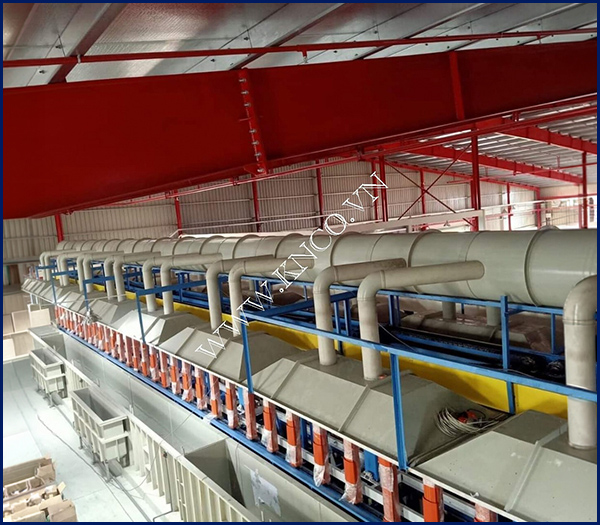
Introduction to Electroplating Equipment
Electroplating equipment refers to the integrated systems used to perform the electroplating process, including electroplating tanks, rectifiers, electrodes, workpiece racks, heating systems, filtration and circulation systems, and process control units. The electroplating process is carried out by immersing the workpiece in an electrolyte solution containing metal salts, followed by the application of an electric current through the solution. As a result of electrochemical reactions, a metallic coating is deposited onto the surface of the workpiece.
Definition of Electroplating
Electroplating is an electrochemical surface treatment process in which a thin metallic layer is deposited onto the surface of a substrate material through electrolysis. The process involves immersing the workpiece in an electrolyte solution and applying direct current. Under the influence of the electric field, metal ions are reduced at the cathode surface and form a coherent metal coating.
Main Components of Electroplating Equipment
Electroplating equipment consists of the following primary components:
Role of Each Component
Each component performs a critical function to ensure efficient electroplating:
Functions of Electroplating Equipment
Electroplating equipment plays an essential role in numerous industries by delivering both functional and aesthetic enhancements..
Enhanced aesthetic properties
Metal coatings can modify surface color, brightness, and texture, thereby increasing visual appeal and product value.
Corrosion protection
Electroplated coatings provide resistance against corrosion and oxidation, extending service life, particularly in aggressive environments such as marine or acidic conditions..
Increased hardness and wear resistance
Metallic coatings improve surface hardness, mechanical durability, and abrasion resistance.
Electrical or thermal insulation
Certain coatings function as electrical or thermal barriers, contributing to operational safety and protection.
Improved adhesion
Electroplated layers can enhance bonding strength for subsequent coatings such as paint, polymers, or other surface treatments.
Operating Principle of Electroplating Equipment
The operating principle is based on electrolysis, during which metal ions are reduced and deposited onto the surface of the workpiece.
Electrolysis process
The electroplating process proceeds through the following electrochemical steps:
Influencing factors
Several factors influence the electroplating process:
Accurate control of these parameters is essential to ensure coating uniformity, adhesion strength, and thickness consistency.
Advantages of the Electrolysis-Based Process
Electroplating using electrolysis offers several technical advantages:
Common Types of Electroplating Equipment
Electroplating equipment can be categorized according to several criteria:
Classification by power source
Classification by design
Classification by production scale
Classification by technology level
Each category presents specific advantages and limitations depending on operational requirements.
Advantages of Using Electroplating Equipment
The application of electroplating equipment provides multiple benefits for enterprises::
Improved product quality
Metal coatings enhance durability, corrosion resistance, wear resistance, and surface appearance.
Increased productivity and operational efficiency
Automation and precise process control improve production speed and reduce labor requirements.
Product diversification
A wide range of metallic finishes can be achieved, expanding manufacturing capabilities.
Cost efficiency
Operational costs are generally lower compared to alternative surface treatment methods.
Environmental compatibility
With proper waste treatment and recycling systems, environmental impact can be minimized.
Enhanced competitive advantage
High-quality products with competitive production costs strengthen market positioning.
Guidelines for Using Electroplating Equipment
To achieve optimal results, the following procedures should be followed:
Preparation of materials and electrolyte
Conducting the electroplating process
Post-plating treatment
Equipment maintenance
Maintenance and Servicing of Electroplating Equipment
Routine maintenance is essential to ensure stable and long-term operation.
Periodic cleaning
Inspection and component maintenance
Calibration and compliance verification
Training and workforce development
Proper maintenance minimizes downtime and prolongs equipment lifespan.
Modern Electroplating Technology
With technological advancements, the electroplating industry continues to evolve to meet increasing industrial demands. Modern electroplating technologies offer several significant improvements:
Lead- and cadmium-free electrolytes
Fully automated processes
Energy and resource efficiency
Integration of emerging technologies
These advancements enhance both product quality and long-term sustainability.
Applications of Electroplating Equipment in Industry
Electroplating equipment is widely applied across various industrial sectors, including automotive, electronics, construction, medical, and energy industries.
Automotive industry
Used to protect automotive components from corrosion and oxidation while improving surface finish.
Electronics industry
Provides protective coatings for printed circuit boards, connectors, and enclosures, enhancing reliability and service life.
Construction industry
Applied to produce corrosion- and wear-resistant metal components such as steel pipes and structural materials.
Medical industry
Used in manufacturing surgical instruments and implants to ensure safety and biocompatibility.
Energy industry
Applied in producing components for renewable energy systems such as solar panels and batteries.
Key Features of Electroplating Equipment
Modern electroplating equipment incorporates several advanced features:
Full automation
Automation from preparation to quality control reduces manual intervention.
Intelligent control systems
Allows accurate monitoring and flexible parameter adjustment.
Energy efficiency
Advanced technologies reduce energy consumption and operational costs.
Ease of operation and maintenance
User-friendly design simplifies operation and servicing.
Safety and environmental compliance
Designed to meet safety standards and environmental regulations.
Conclusion
The above information provides a comprehensive overview of electroplating equipment, including its functions, operating principles, classifications, advantages, operational guidelines, maintenance requirements, modern technological developments, industrial applications, and key features. The implementation of electroplating equipment not only enhances product quality but also improves production efficiency and strengthens a company&rsquos competitive advantage. This technology remains a fundamental component of modern surface engineering in today&rsquos industrial landscape.
CATEGORIES
Electroplating system on plastics
Automatic electroplating system on ABS plastic
Automatic electroplating system on ABS plastic
Automatic electroplating system on ABS plastic
Automatic electroplating system on ABS plastic
Automatic electroplating system on ABS plastic
Automatic electroplating system on ABS plastic
Automatic electroplating system on ABS plastic
Automatic electroplating system on ABS plastic
Automatic transfer electroplating system
Automatic transfer electroplating system
Automatic transfer electroplating system
Automatic transfer electroplating system
Roll and plate production line
Automatic roll and plate production line
Automatic Sn electrocoating system
Automatic Sn electrocoating system
Automatic Sn electrocoating system
Automatic Sn electrocoating system
*YOU MAY ALSO LIKE
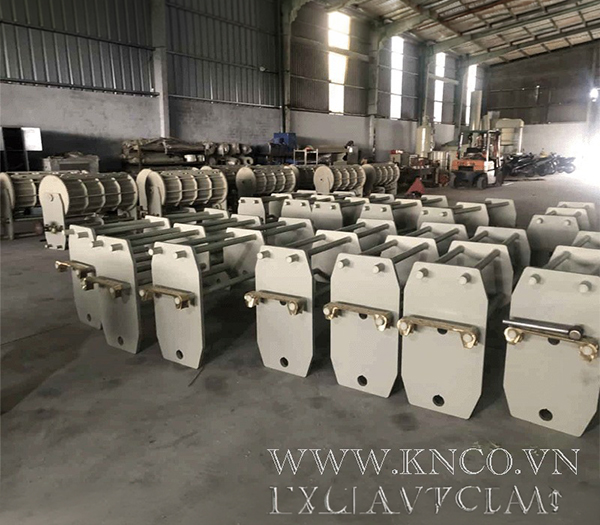
Electroplating equipment plays an essential role in numerous industries by delivering both functional and aesthetic enhancements... READ MORE
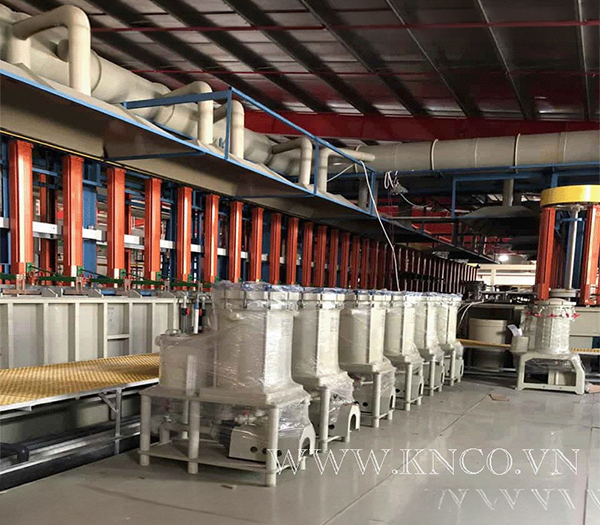
In response to the demands of the market, Kim Nguu was established with a mission... READ MORE
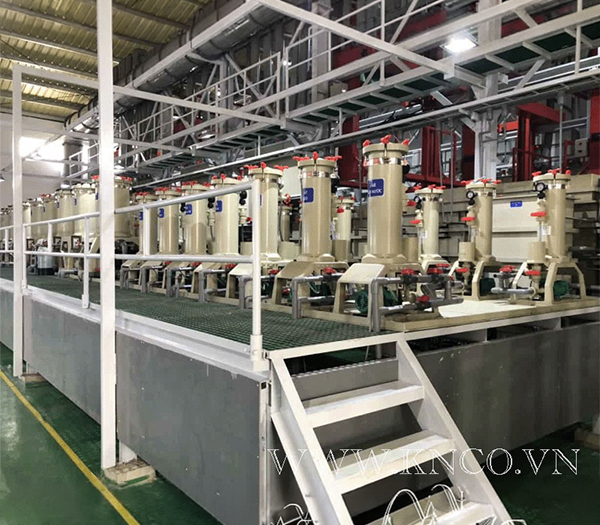
With over 17 years of operational experience and a highly qualified technical team, we are committed to... READ MORE
Address: 754/7 Tan Ky Tan Quy Street, Binh Hung Hoa Ward, HCMC, VN
Factory: 890 Vinh Loc Street, Vinh Loc B Commune, Binh Chanh District, HCMC, VN
Telephone: +84 28 62747236
Hotline: +84 908 270 928 - Call center: +84 385 218 707
Email: kn08@vnn.vn
With 17+ years of experience in the electroplating industry, Kim Nguu has established itself as a leading manufacturer and supplier of electroplating equipment solutions. We are ready to help 24/7/365. Get in touch.
KIM NGUU COMPANY LIMITED
Address: 754/7 Tan Ky Tan Quy Street, Binh Hung Hoa Ward, HCMC, VN
Factory: 890 Vinh Loc Street, Vinh Loc B Commune, Binh Chanh District, HCMC, VN
Telephone: +84 28 62747236
Hotline: +84 908 270 928
Call center: +84 385 218 707
Email: kn08@vnn.vn
KIM NGUU COMPANY LIMITED
Địa chỉ: 754/7 Tan Ky Tan Quy Street, Binh Hung Hoa Ward, HCMC, VN
Factory: 890 Vinh Loc Street, Vinh Loc B Commune, Binh Chanh District, HCMC, VN
@ Copyright by KIM NGUU COMPANY LIMITED. Designed by Vietnam Yellow Pages.